Home » Blog » Uncategorized » What Is Included in Managed IT Services for Growing Businesses
What Is Included in Managed IT Services for Growing Businesses
March 26, 2026
Growing businesses rely heavily on technology to support daily operations, customer communication, data storage, and security. As companies expand, IT complexity increases. Systems must scale, cybersecurity risks rise, and downtime becomes more costly.
Many business owners ask, what are managed IT services and how they support growth. Others want to know what is included in managed IT services and how much does managed IT services cost. This guide explains what managed IT services cover, why managed IT services are critical for scaling companies, and what benefits businesses gain from working with a Managed Service Provider.
What Are Managed IT Services?
AWhat are managed IT services? Managed IT services refer to outsourced technology support and infrastructure management provided by a third party known as a Managed Service Provider, or MSP. Instead of waiting for systems to fail and then fixing them, managed IT services focus on continuous monitoring, maintenance, and optimization.
Under this model, businesses pay a predictable monthly fee for ongoing IT management. The MSP takes responsibility for network performance, cybersecurity, cloud systems, data backups, and user support. This approach replaces the traditional break fix model where companies only call for help after a problem occurs.
Managed IT services are designed to prevent downtime, reduce risk, and improve system performance. For growing businesses, this proactive structure provides stability and allows internal teams to focus on operations rather than troubleshooting technology issues.
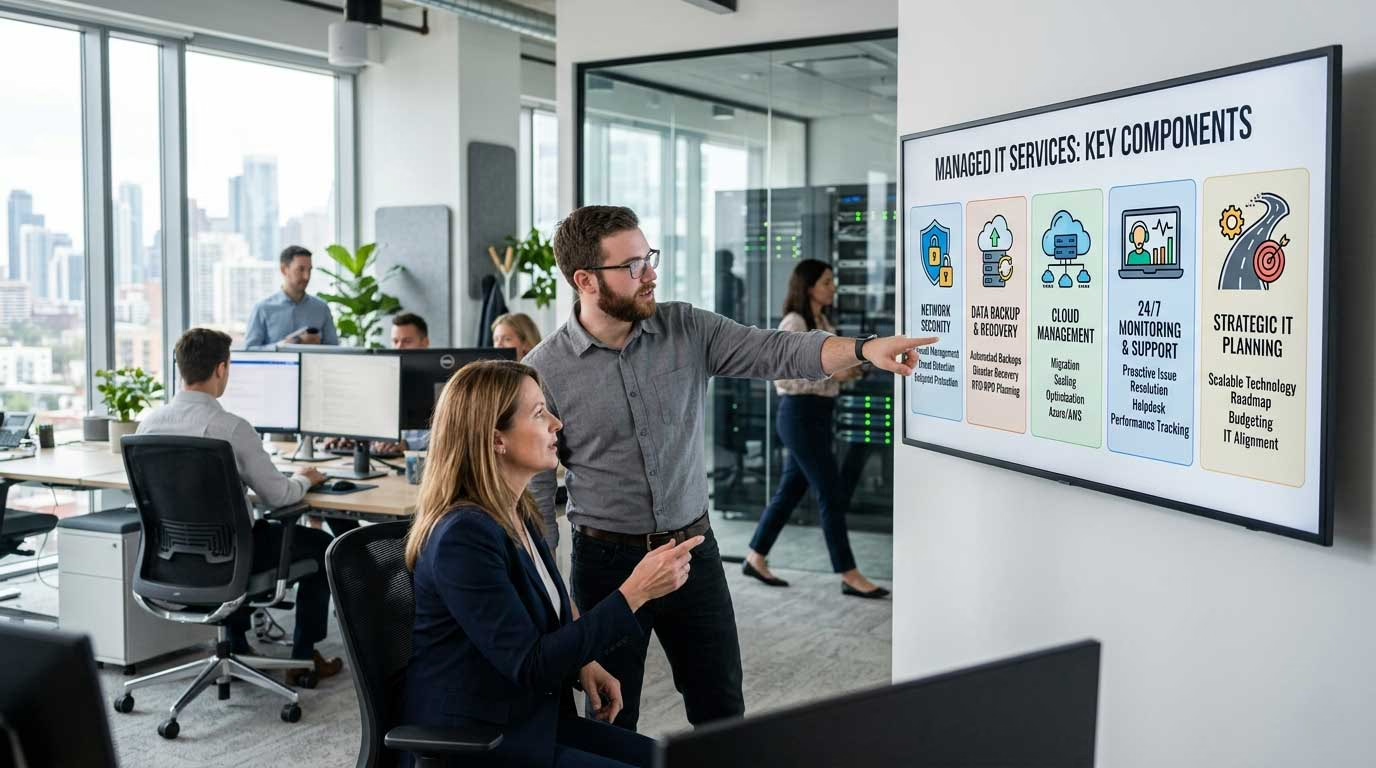
What Is Included in Managed IT Services?
Many business owners ask, what is included in managed IT services. The answer depends on the provider and service tier, but most managed IT service plans cover core infrastructure management, cybersecurity, user support, and strategic IT planning.
Below are the primary components typically included.
1. 24/7 Monitoring and Helpdesk Support
Managed IT services include continuous monitoring of servers, networks, endpoints, and cloud systems. Monitoring tools detect performance issues, security threats, and system failures before they disrupt operations.
Most providers also offer:
Remote helpdesk support
Ticket based issue tracking
Escalation procedures for critical problems
After hours support options
This reduces downtime and ensures employees receive fast technical assistance.
2. Network Management
Network stability is critical for growing businesses. Managed IT services commonly include:
Firewall configuration and monitoring
Router and switch management
VPN setup and maintenance
Network performance optimization
Proactive network oversight prevents connectivity disruptions and security vulnerabilities.
3. Cybersecurity Services
Security is a central part of what is included in managed IT services. As cyber threats increase, businesses require layered protection.
Typical security services include:
Endpoint detection and response
Antivirus and anti malware protection
Multi factor authentication setup
Email security filtering
Vulnerability scanning
Security awareness guidance
These controls reduce the risk of ransomware, phishing attacks, and data breaches.
4. Data Backup and Disaster Recovery
Reliable backup systems protect business continuity. Managed IT services usually provide:
Automated daily backups
Offsite or cloud based storage
Backup testing and validation
Disaster recovery planning
This ensures critical data can be restored quickly in the event of hardware failure, cyber incidents, or natural disasters.
5. Cloud Services Management
Many growing companies rely on cloud platforms. Managed IT services often include:
Microsoft 365 or Google Workspace administration
Cloud infrastructure monitoring
User access management
Cloud security configuration
Support for cloud migrations
Cloud oversight ensures performance, security, and cost efficiency.
6. Hardware and Software Management
Managed IT providers also handle routine maintenance tasks such as:
Patch management
Operating system updates
Software license tracking
Device lifecycle planning
Keeping systems updated reduces vulnerabilities and performance issues.
7. Strategic IT Planning
Advanced managed IT services include strategic guidance. This may involve:
Technology roadmaps
IT budgeting support
Vendor management
Virtual Chief Information Officer services
Strategic oversight aligns technology investments with business growth objectives.
This comprehensive coverage explains what is included in managed IT services and why many growing businesses rely on this model.
Why Managed IT Services Are Essential for Growing Businesses?
As companies expand, technology demands increase. More employees, more devices, remote access requirements, and larger volumes of sensitive data create complexity. This is why managed IT services are critical for growing organizations.
Without structured IT management, businesses often experience:
Frequent system downtime
Increased cybersecurity risks
Unpredictable IT expenses
Delayed software updates
Limited scalability
Small and mid sized businesses are frequent targets for cyberattacks because they often lack advanced security controls. Managed IT services provide continuous monitoring and layered protection that many internal teams cannot maintain alone.
Growth also requires infrastructure that scales efficiently. Adding users, locations, or cloud services should not disrupt operations. Managed IT services provide the structure and technical oversight needed to support expansion without sacrificing stability or security.
Why Choose Managed IT Services Over In House IT?
Many business leaders ask why choose managed IT services instead of building an internal IT department. The answer often comes down to expertise, availability, and cost efficiency.
Hiring and maintaining a full internal IT team requires significant investment. Salaries, benefits, training, and tools can quickly exceed the cost of a managed service contract. In contrast, managed IT services provide access to a team of specialists for a predictable monthly fee.
Key advantages include:
Access to diverse technical expertise
24/7 monitoring and support coverage
Faster response to incidents
Reduced hiring and onboarding costs
Scalable service levels as the business grows
Internal IT teams may focus on day to day troubleshooting. Managed service providers typically offer proactive monitoring, structured security controls, and long term IT planning. This approach reduces risk and supports growth more effectively.
What Are the Benefits of Managed IT Services?
Many businesses evaluate what are the benefits of managed IT services before committing to a provider. The advantages extend beyond technical support and directly impact operational stability and growth.
Key benefits include:
Reduced downtime through proactive monitoring
Stronger cybersecurity posture with layered protection
Predictable monthly IT costs
Faster issue resolution
Improved compliance management
Scalable infrastructure to support expansion
Proactive monitoring reduces unexpected outages. Continuous security oversight lowers the risk of data breaches. Structured IT budgeting prevents sudden repair expenses that disrupt cash flow.
Managed IT services also allow leadership teams to focus on business strategy rather than technology troubleshooting. With dedicated oversight and long term planning, companies operate with greater confidence and fewer interruptions.
How Much Does Managed IT Services Cost?
Many business owners ask, how much does managed IT services cost. Pricing varies based on company size, infrastructure complexity, and security requirements. There is no universal rate, but most providers use predictable monthly pricing models.
Common pricing structures include:
Per user pricing
Per device pricing
Tiered service packages
Custom enterprise plans
For small and mid sized businesses in the United States, managed IT services typically range from $100 to $250 per user per month. Costs increase if advanced cybersecurity, compliance management, or complex cloud infrastructure is required.
Several factors influence pricing:
Number of employees and endpoints
Network size and configuration
Cybersecurity requirements
Compliance standards such as HIPAA or SOC
On site support needs
Cloud services complexity
While cost is important, businesses should evaluate total value. Managed IT services often reduce downtime, prevent cyber incidents, and eliminate unexpected repair expenses. These savings frequently offset the monthly service fee.
Signs Your Business Needs Managed IT Services
Not every company starts with managed IT services, but growth and increasing risk often make them necessary. If technology problems are becoming frequent or costly, it may be time to reassess your approach.
Common signs include:
Recurring system downtime
Slow response to IT support requests
Frequent cybersecurity alerts or incidents
No documented data backup or recovery plan
Rapid employee or device growth
Rising IT repair costs
Overloaded internal IT staff
When internal teams spend more time fixing issues than improving systems, productivity suffers. As infrastructure becomes more complex, reactive support is no longer sufficient.
Recognizing these warning signs early helps businesses transition to a proactive model before major disruptions occur.
Conclusion
Growing businesses need reliable, secure, and scalable technology to support expansion. Managed IT services provide continuous monitoring, cybersecurity, helpdesk support, and strategic planning that reduce downtime and control costs. Understanding what is included in managed IT services helps leaders make informed decisions about long term IT management.
Partnering with an experienced provider ensures stronger security, predictable budgeting, and infrastructure that grows with your business.
Looking for dependable IT support? Connect with us to explore managed IT services designed to secure and scale your business.
Providing professional IT services to businesses, including managed IT, cloud computing, unified communications, IT consulting, backup & disaster recovery, and internet marketing services - to help our customers operate without walls.
Providing professional IT services to businesses, including managed IT, cloud computing, unified communications, IT consulting, backup & disaster recovery, and internet marketing services - to help our customers operate without walls.